


Born Into Legacy.
Building Their Own Path.
Catch all episodes now


Season 2

EP#4 Ft Madhur Daga
How Madhur Daga Built a ₹691 Cr Business Without Bribes ?
Can you build a large business without paying bribes?
In this episode of Nexxt In Line, Mohit sits down with Madhur Daga, Managing Director of Orient Bell, for an honest conversation about building a business, challenging convention, and growing without compromising on your principles.
From stepping away from his family business to building a technology company of his own, and eventually returning to lead Orient Bell, Madhur’s journey is anything but conventional.
He shares how he approached the acquisition of Bell, a loss-making business that became profitable within a year, why difficult people decisions are sometimes necessary, and how financial discipline can matter more than chasing growth at any cost.
But the conversation goes beyond business numbers.
Madhur opens up about the lessons he inherited from his father, his philosophy on ethics and money, and how Vipassana meditation transformed his approach to life, health, and leadership.
EP#3 Ft Akhil Jain
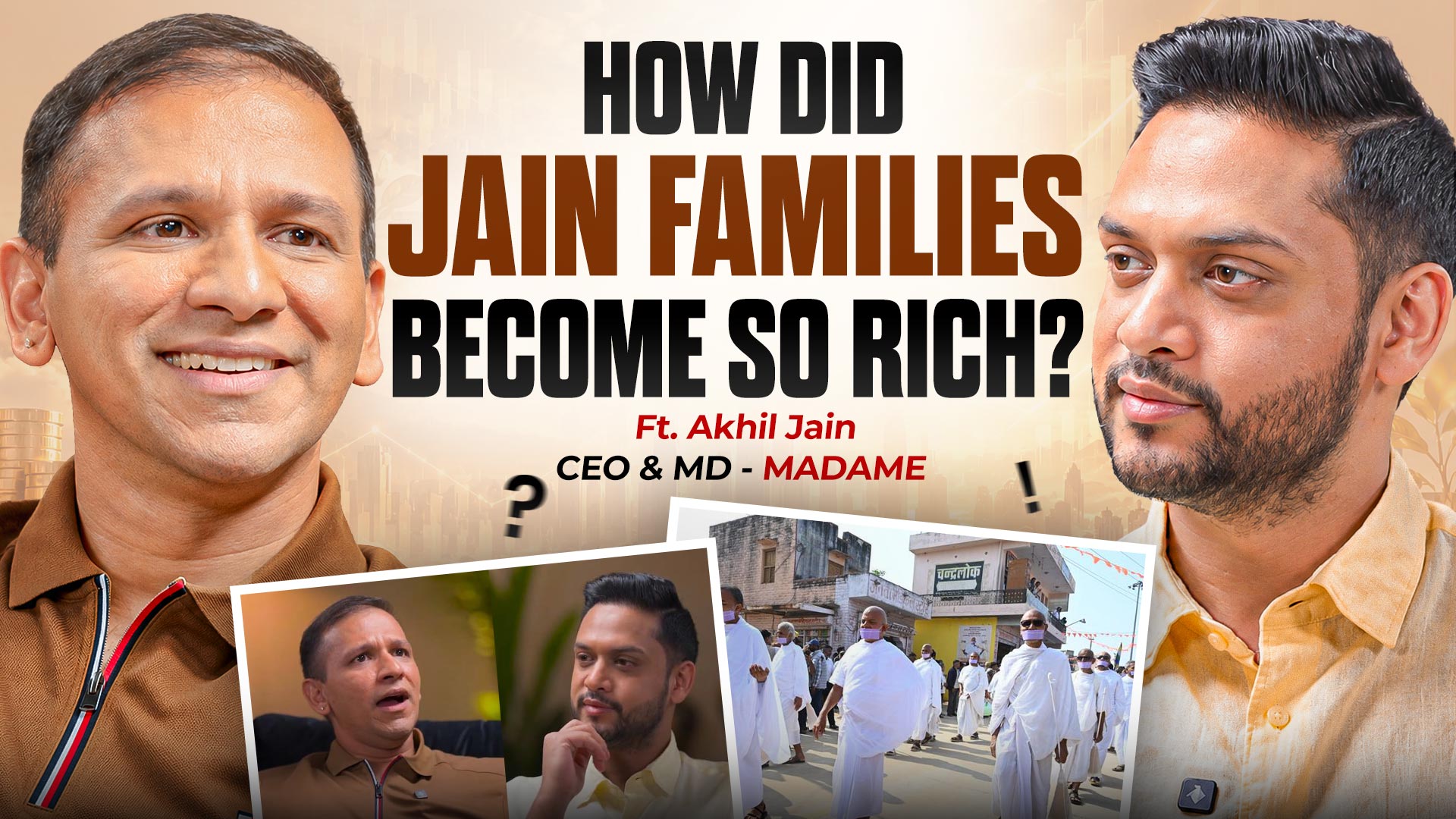
How Did Jains Become So Rich ft. Akhil Jain ?
Why do members of the Jain business community often achieve such significant financial success? We explore the intersection of values and profit.
In this episode of Nexxt in Line, Mohit Goel sits down with Akhil Jain to analyse the factors driving this economic influence. We move past myths to look at the practical application of community values in modern commerce and how these principles shape long-term business strategy.
This conversation examines the specific mindset behind wealth creation and how traditional ethics translate into scaling successful enterprises. Akhil Jain shares his perspective on the entrepreneurial mindset required to build sustainable legacy brands in today's competitive market.
Subscribe for weekly business analysis, and tell us: what other community-driven business models should we examine next?
EP#2 Ft Dipak Sanghavi
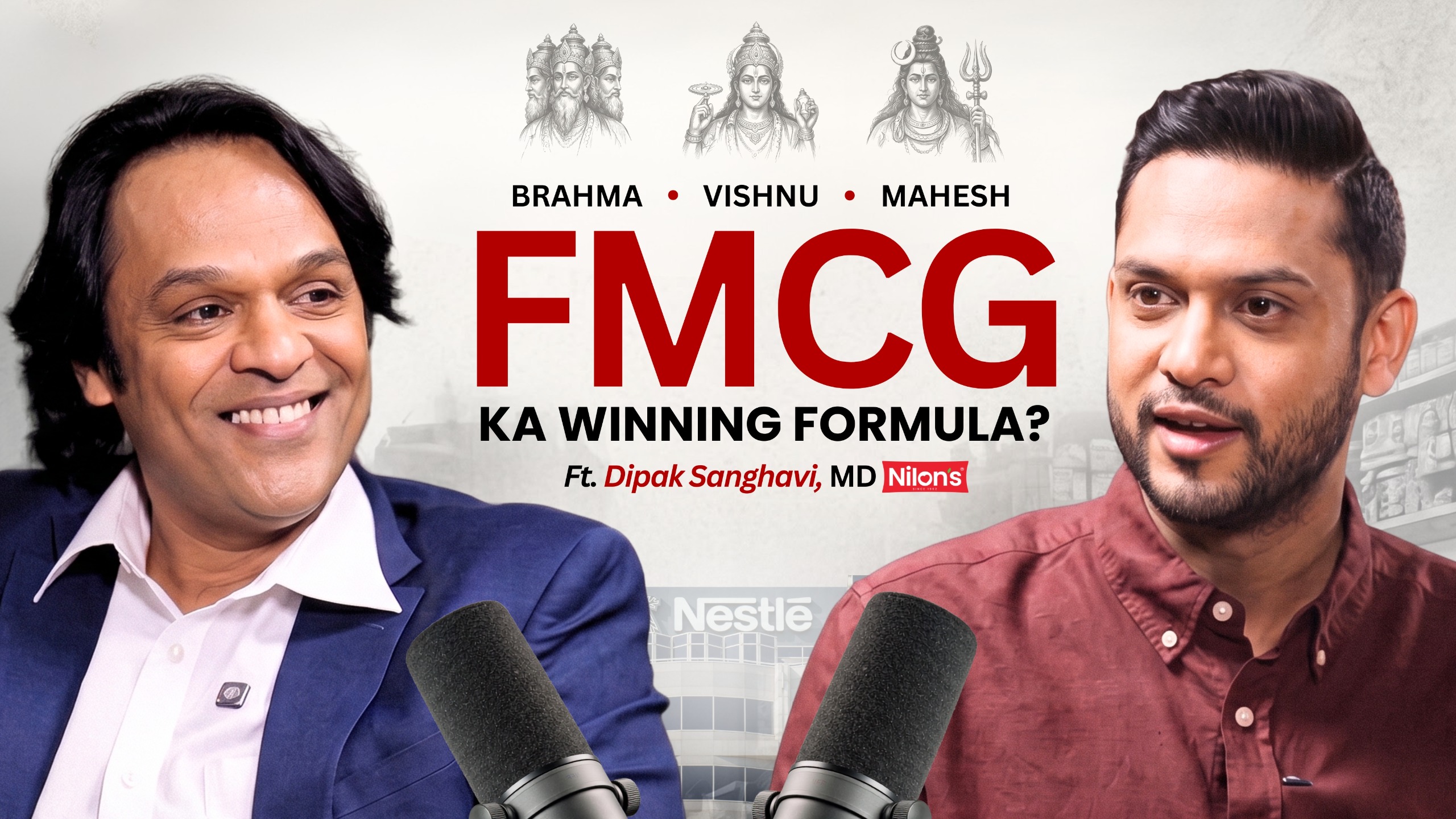
What Brahma, Vishnu & Mahesh Teach Us About Building FMCG Brands
From losing his father at just 24 to taking Nilons from an ₹8 crore business to a much larger, professionally managed company, Deepak shares the decisions, mistakes and lessons that shaped the business.
We discuss why FMCG companies need to own a category and a territory, why Nilons deliberately shut down 9–10 categories, the story behind its famous Tutti Frutti, building a professional team, raising external capital, giving up control, and the difficult journey from growth-at-all-costs to profitability.
We also explore the Brahma–Vishnu–Mahesh framework for building organisations, the generational conflict between protecting a legacy and challenging the status quo, Gen Z's changing food habits, Q-commerce, distribution, and what the next generation should actually do when they enter a family business.
And finally, Deepak answers some tough questions on control, succession, legacy and scale.

EP#1 Ft Rajiv Gupta
What Reliance & Mukesh Ambani Teach Us About Indian Family Businesses.
In this highly practitioner-oriented episode of Nexxt in Line, we sit down with corporate veteran and author Rajiv Gupta to decode the complex, often chaotic world of Indian family businesses.
Rajiv's career spans VP roles at Reliance Petroleum Retail and Honda Cars, but the story that defines him is what came next: at 55, he walked away from a stable corporate track to become CEO of Tricolite Electrical Industries — a 60-year-old family business that had never brought in an outsider CEO and hadn't grown in over a decade. In three years, he grew it 300% in both top line and bottom line. He's now Chairperson of the School of Family Business at Masters' Union and the author of the HarperCollins bestseller "The Good Indian Employee's Guide to Surviving a Lala Company."
In this conversation, he breaks down the friction between first-generation patriarchs and next-generation leaders, the critical dynamic between professional talent and family promoters, and why so many family empires stumble during transitions — not because they're weak, but because they get stuck. This episode goes far beyond generic corporate advice. It is a raw look into "Lala" company culture, the necessity of giving daughters real equity and roles, and the blueprint for earning your place at the table even if your name is on the building.